The History of Mount Everest
Mount Everest, known as the "Roof of the World", stands at an awe-inspiring height of 8,848.86 meters (29,031.7 feet) above sea level, making it the highest point on Earth. Located in the Himalayas, on the border between Nepal and China (Tibet), Everest has captivated explorers, adventurers, and scientists for centuries. Its history is filled with stories of incredible triumphs, heartbreaking tragedies, and the relentless human spirit to conquer the world’s most formidable peak.
Ancient and Early Recognition
Long before it was known as Mount Everest, the peak was revered by local people. In Nepal, it was called Sagarmatha, which translates to "Forehead in the Sky," while in Tibet, it was known as Chomolungma, meaning "Goddess Mother of the World." These names reflect the spiritual and cultural significance the mountain held for the indigenous people, who saw it as a sacred site.
The Western world, however, remained unaware of the mountain’s existence until the 19th century. The first documented Western reference to the mountain came during the British survey of India in the mid-1800s. The British, having established a deep interest in the region for both colonial expansion and scientific exploration, made the first official attempts to map the area.
The Quest for the Name
For many years, Mount Everest remained unnamed in the Western world. The mountain was initially referred to as Peak XV by the British surveyors. It wasn't until 1865 that the mountain was officially named Everest, in honor of Sir George Everest, the British Surveyor General of India from 1830 to 1843. Though Everest had never seen the mountain himself, the name was chosen to recognize his contributions to mapping the Indian subcontinent.
The Early Everest Expeditions
The allure of Everest attracted mountaineers in the early 20th century, although reaching the summit was no easy feat. Several expeditions were launched to scale the mountain, and each attempt proved to be a difficult challenge. In 1921, a British expedition, led by George Mallory, became the first to attempt the summit, though the team did not succeed in reaching the top. Mallory's famous words, "Because it's there," are often cited as the driving force behind his determination to conquer Everest, despite the obvious dangers.
The Race to the Everest Summit
The first successful ascent of Everest did not come until 1953. The British expedition, led by Colonel John Hunt, made history when Sir Edmund Hillary of New Zealand and Tenzing Norgay, a Sherpa of Nepal, became the first climbers to reach the summit on May 29, 1953. This achievement is considered one of the greatest triumphs in mountaineering history.
Hillary and Norgay's summit was a result of years of meticulous planning, the help of the local Sherpas, and a mix of courage, endurance, and skill. The duo’s achievement was celebrated worldwide and remains a symbol of human perseverance and adventure. Hillary's words after the climb, "We knocked the bastard off," became iconic.
Modern Expeditions and Challenges
Since that historic ascent, thousands of climbers have attempted to summit Everest, with mixed results. The mountain’s challenging terrain, extreme weather, and thin air make it a deadly climb. In the modern era, many climbers come from around the world, seeking to conquer the peak, but the path to the summit has become increasingly crowded and dangerous.
As more expeditions have taken place, concerns about the environmental impact of mountaineering on Everest have grown. The accumulation of trash, waste, and abandoned gear has prompted efforts to preserve the mountain’s natural beauty. Moreover, issues like overcrowding, safety, and the effects of climate change on the mountain have become major topics of discussion.
In 2019, more than 600 climbers attempted the summit, which led to dangerous traffic jams and multiple fatalities due to lack of proper preparation and overcrowded conditions. The Nepalese government has been taking steps to mitigate these issues by requiring climbers to have prior mountaineering experience, implementing strict regulations, and organizing clean-up campaigns to reduce waste left behind.
How to See Mount Everest
For many, the allure of Mount Everest lies in its majestic presence. But you don’t have to climb it to experience its beauty.
-
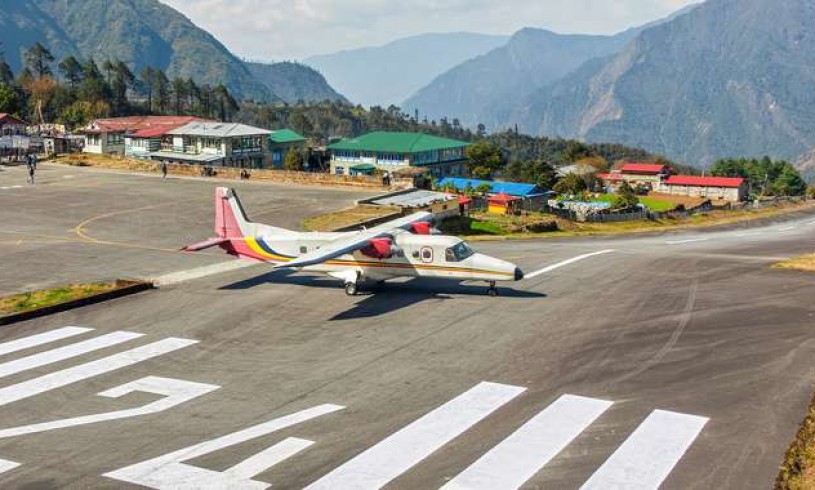
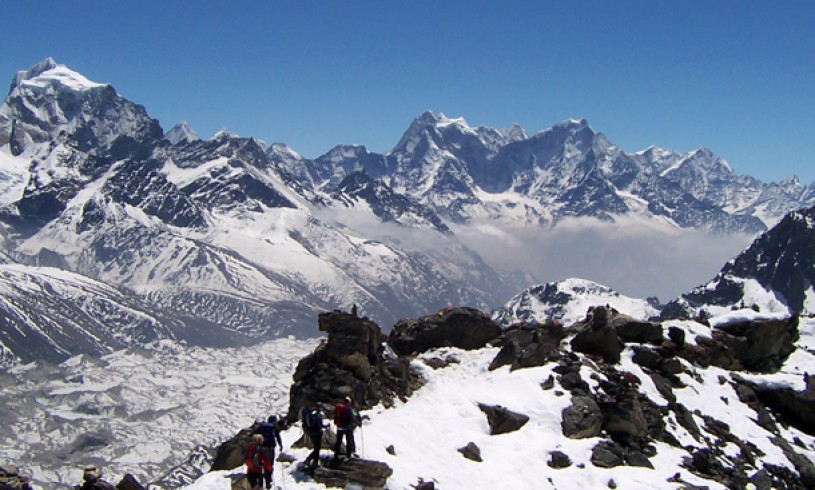
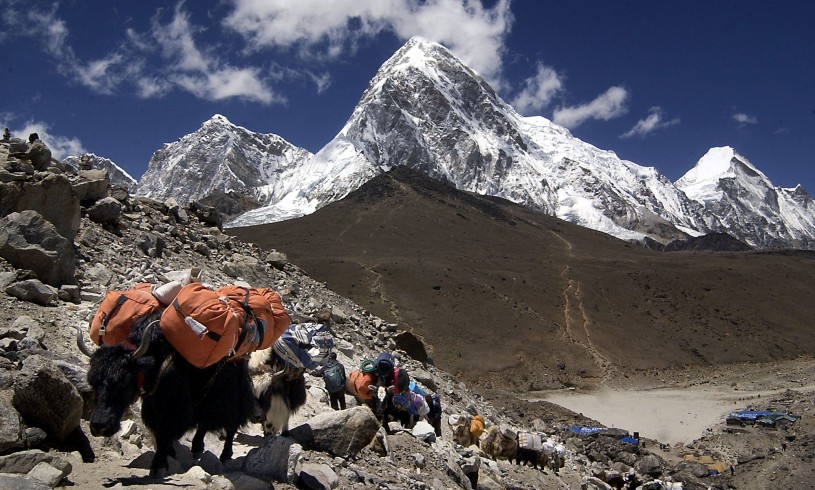
Trekking to Everest Base Camp (EBC): The most popular and accessible way to see Everest up close is by trekking to Everest Base Camp in Nepal. The trek starts in the town of Lukla, which is accessible via a small mountain flight from Kathmandu. The route takes you through the Sherpa villages of the Khumbu region, including Namche Bazaar, Tengboche, and Dingboche, offering stunning views of Everest, Lhotse, Nuptse, and other peaks.
- Duration: 12-14 days
- Difficulty: Moderate (altitude and terrain)
- Highlights: Panoramic views of Everest, close encounters with the Sherpa culture, and the iconic Base Camp site where climbers begin their summit attempts.
-
Helicopter Tours: If you’re short on time or not up for a long trek, a helicopter tour from Kathmandu offers a thrilling way to get close to Everest. These tours take you over the Khumbu Valley, allowing you to get stunning aerial views of the peak and surrounding mountains. Some tours even include a stop at a high-altitude viewpoint for an up-close view of Everest and a chance to walk on the mountain.
-
Everest Viewpoint Hikes: For a shorter trek with incredible views of Everest, you can hike to viewpoints like Kala Patthar (5,545m), a rocky outcrop near Everest Base Camp, or the Everest View Hotel at 3,880 meters in Namche Bazaar. Both locations offer spectacular panoramas of the mountain range.
-
Everest Experience Mountain Flight: One of the most popular ways to see Everest for those not inclined to hike or trek is the Everest Experience Mountain Flight. This scenic flight takes off from Kathmandu and provides a once-in-a-lifetime opportunity to get up close to Mount Everest and other Himalayan giants. The flight lasts about 1 hour and offers incredible views of Everest, Lhotse, Makalu, and other towering peaks, all while you remain comfortably seated in the aircraft.
- Duration: 1 hour
- Highlights: A close-up aerial view of Mount Everest and surrounding peaks, with a chance to photograph the majestic Himalayas from the sky.
This experience is perfect for people who may not have the time or physical capability to trek to Everest but still want to witness its grandeur.
What You Need to Climb Mount Everest
Climbing Mount Everest requires extensive preparation, both physically and logistically. It’s not for the faint of heart, but for those determined to take on the challenge, here’s what you need:
-
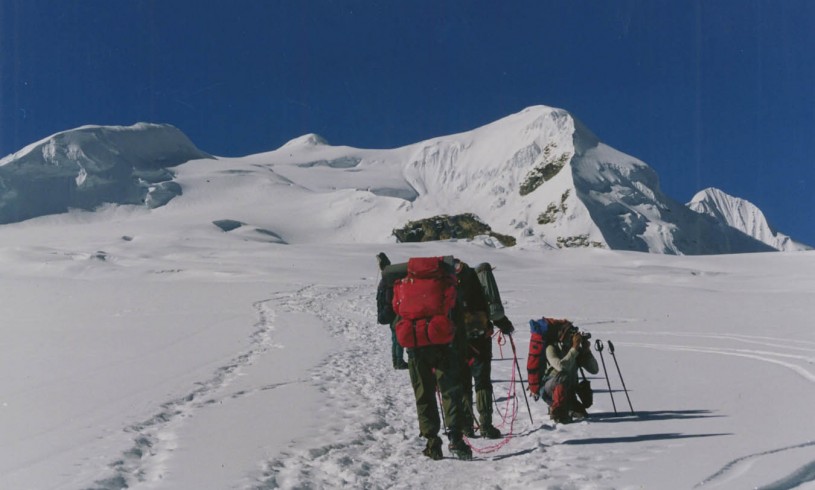
Physical Fitness: Climbers need to be in excellent physical condition, with a strong cardiovascular system, endurance, and the ability to acclimatize to high altitudes. Training should include strength, stamina, and specific skills like ice climbing.
-
Experience: Climbers should have previous experience with high-altitude mountaineering. It’s recommended that climbers have ascended at least one or two peaks above 7,000 meters before attempting Everest.
-
Gear and Equipment: Proper gear is essential, including:
- Oxygen systems for high-altitude breathing
- Warm clothing (down suits, gloves, etc.)
- Climbing equipment (ropes, crampons, ice axes, harnesses)
- A GPS, maps, and communication devices
-
Team and Support: Climbers generally don’t summit Everest alone. Most expeditions involve a team of climbers, Sherpas, and guides. The Sherpas are invaluable, as their experience with the mountain is crucial to a successful ascent.
-
Logistics: Planning the logistics of an Everest climb involves securing permits, coordinating with a reliable expedition company, and preparing for weeks of high-altitude acclimatization.
-
Mental Toughness: The climb is mentally grueling. Climbers must stay focused and calm despite extreme conditions, exhaustion, and the risks involved.
Everest's Cultural and Scientific Impact
While Mount Everest is known for its towering peaks and extreme conditions, its influence extends beyond the world of mountaineering. The mountain has become an important site for scientific research, with expeditions studying everything from geology and glaciology to human physiology at high altitudes. The extreme conditions of Everest challenge scientists to better understand how the human body adapts to such a high-pressure environment.
Additionally, Everest’s cultural significance has had a profound effect on the people of Nepal and Tibet. The Sherpas, the indigenous ethnic group that has helped countless climbers reach the summit, have become integral to the mountain’s legacy. Their knowledge, resilience, and expertise in navigating the treacherous slopes have earned them global recognition and respect.
The Future of Mount Everest
As we look to the future, Mount Everest’s role in the global mountaineering community is as important as ever. While more climbers seek to conquer it each year, the challenges remain constant. The risks, both human and environmental, are ever-present, and the responsibility to protect the mountain is a growing concern.
The mountain’s grandeur will continue to captivate adventurers and scientists alike, and its history remains a testament to human ambition and the enduring desire to explore the unknown. Whether one is drawn to Everest for the thrill of the climb, the scientific mysteries it holds, or its spiritual significance, the mountain will always be a symbol of what is possible when we push the limits of human potential.
Conclusion
The history of Mount Everest is a story of human achievement, struggle, and respect for nature. From ancient reverence to modern mountaineering expeditions, Everest has inspired generations to reach higher, aim further, and challenge the impossible. As we look to the future, it is crucial to remember the lessons from Everest’s history and work toward preserving its majesty for future generations of climbers, scientists, and dreamers.