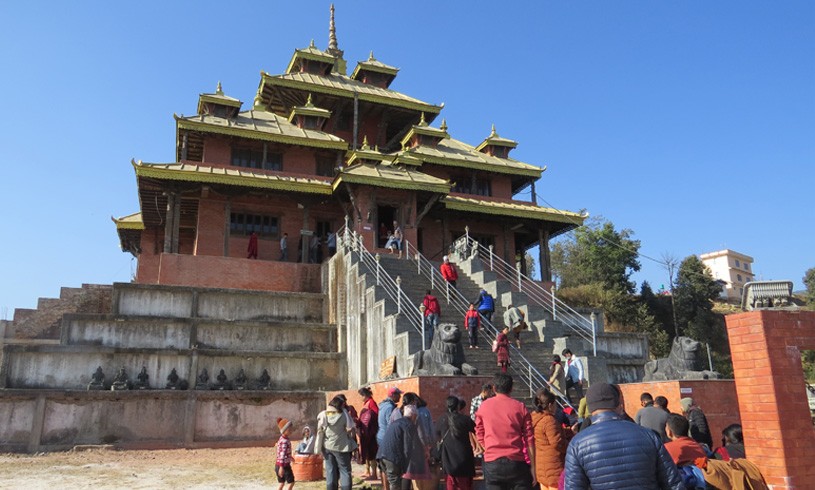
Types of Tourism in Nepal
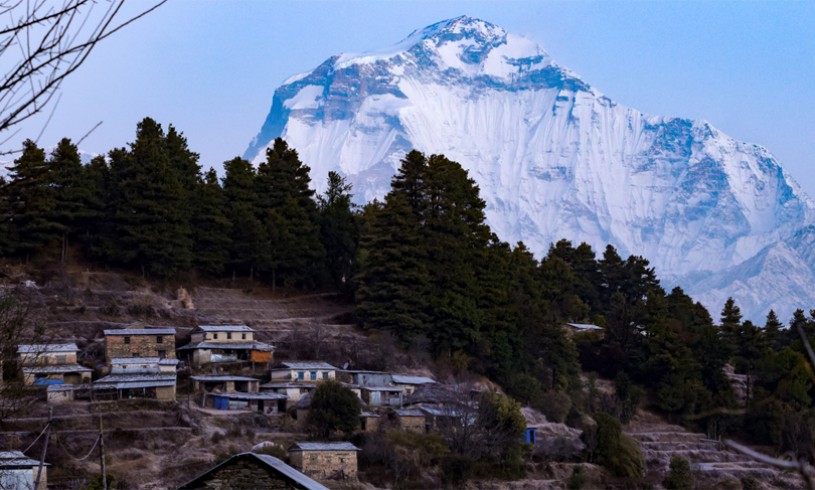
Nepal, a small yet remarkably diverse country nestled in the heart of the Himalayas, offers an extraordinary range of travel experiences. From snow-covered peaks and ancient temples to vibrant festivals and lush jungles, Nepal attracts adventurers, culture lovers, spiritual seekers, and families alike. Once known mainly as a backpacker destination for hardcore trekkers, Nepal’s tourism landscape has transformed into a welcoming haven for all types of travelers—regardless of age, background, or travel style.
Whether you’re seeking adventure, culture, wildlife, wellness, or authentic village life, Nepal truly has something for everyone. Each visitor takes home a unique story and a memorable experience shaped by Nepal’s warm hospitality and natural beauty.
1. Adventure Tourism in Nepal
Adventure tourism remains one of Nepal’s strongest appeals. With its dramatic Himalayan terrain, deep valleys, and pristine natural environment, Nepal offers world-class adrenaline experiences.
Trekking
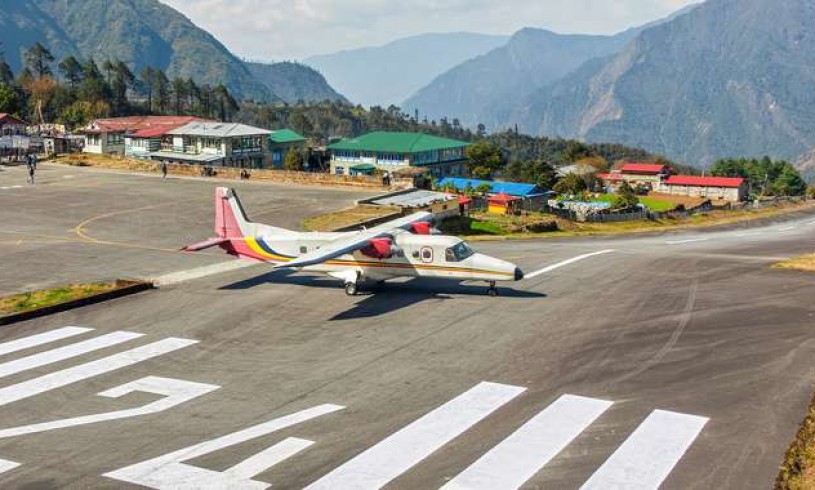
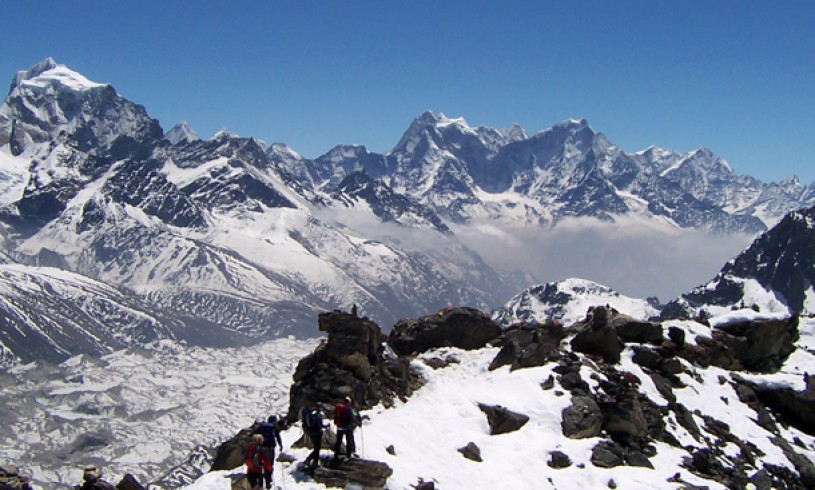
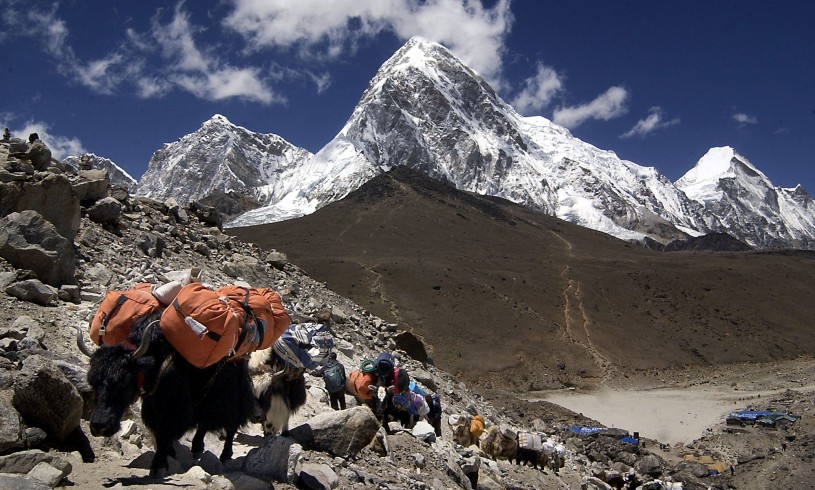
Nepal is a dream destination for trekkers. The Everest and Annapurna regions are globally renowned, offering iconic routes such as:
- Everest Base Camp Trek
- Annapurna Circuit
- Annapurna Base Camp Trek
- Langtang Valley Trek
- Manaslu Circuit Trek
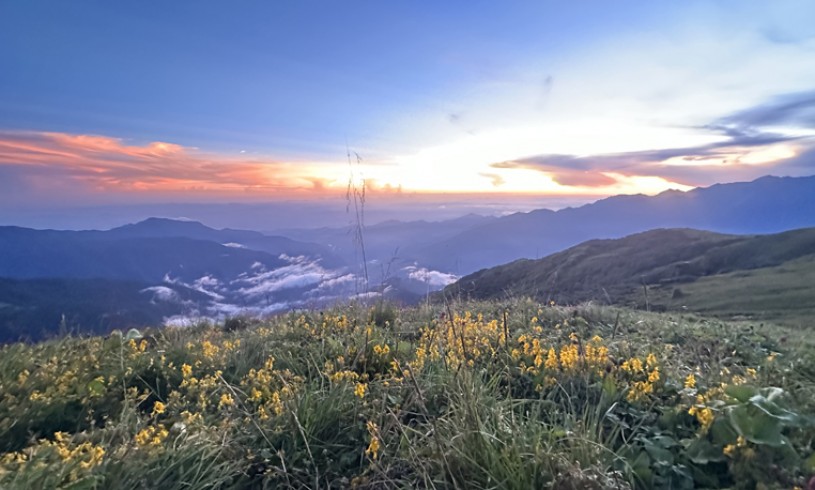
These treks offer breathtaking Himalayan views, diverse landscapes, and immersive cultural encounters with Sherpa, Tamang, and Gurung communities.
Mountaineering
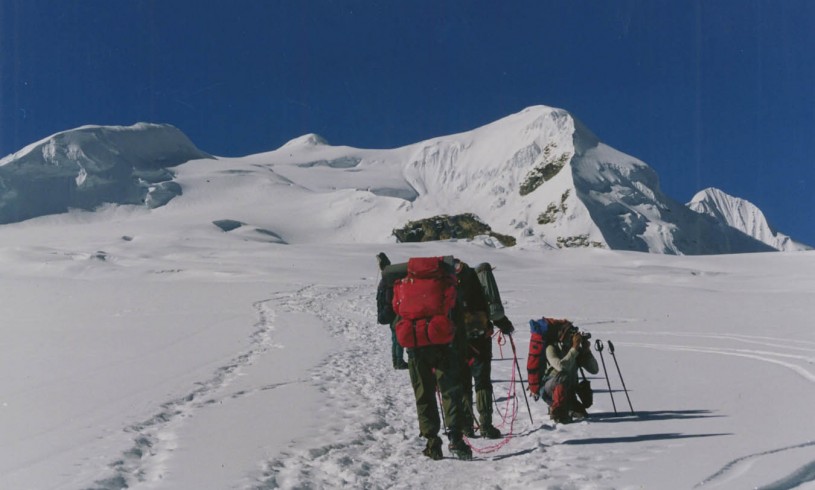
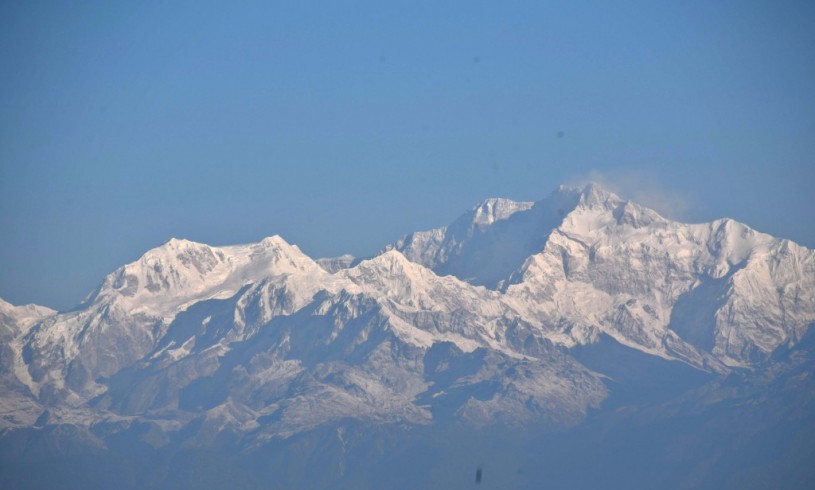
Home to 8 of the world’s 14 highest peaks, including Mount Everest, Nepal is a paradise for mountaineers. Expeditions require technical expertise, proper preparation, and special permits—but for experienced climbers, the reward of standing atop an 8,000-meter giant is unmatched.
Bungee, Paragliding & Skydiving
Adventure lovers can test their courage with the world-famous Kushma bungee and Bhote Koshi bungee jumps, canyon swings, and canyoning adventures.
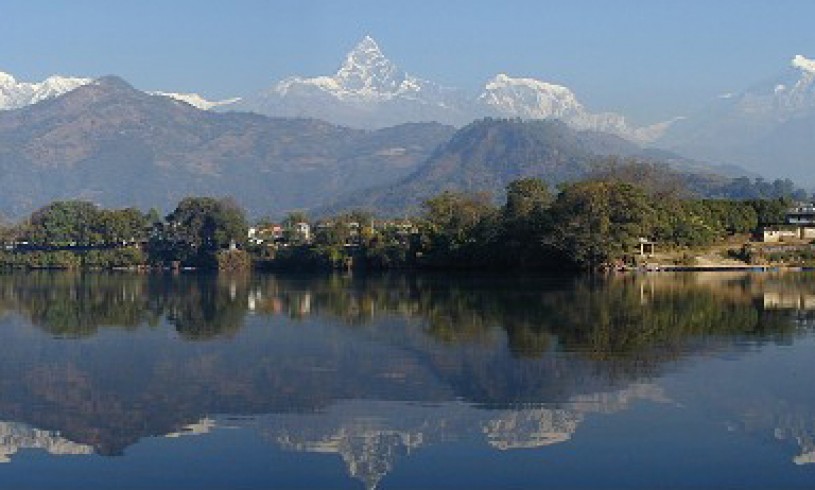
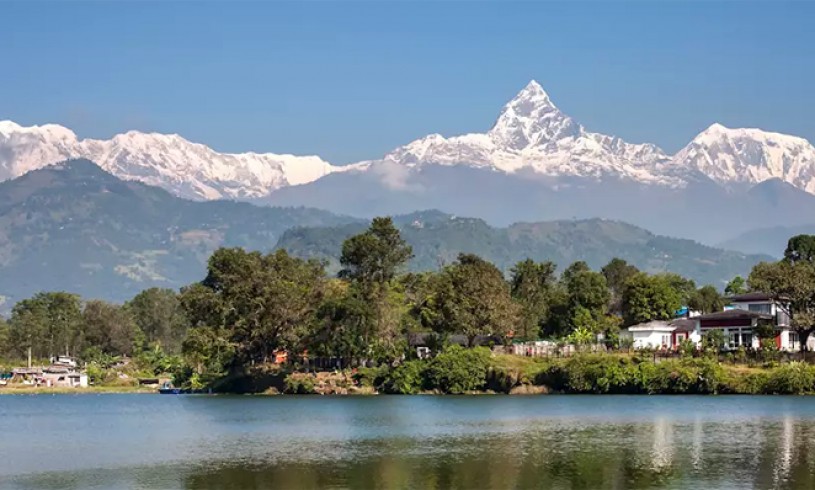
Pokhara is famous for paragliding, offering spectacular aerial views of the Annapurna Range, Phewa Lake, and lush hills. Skydiving over the Himalayas, especially in Everest and Pokhara, is one of the most exhilarating experiences available anywhere in the world.
2. Cultural Tourism in Nepal
Nepal’s rich cultural heritage, spiritual depth, and ethnic diversity make it an enchanting cultural destination.
Historical & Religious Sites
The Kathmandu Valley, a UNESCO World Heritage treasure, includes:
- Swayambhunath (Monkey Temple)
- Boudhanath Stupa
- Pashupatinath Temple
- Patan Durbar Square
- Bhaktapur Durbar Square
These sacred sites reflect Nepal’s blend of Hinduism and Buddhism, ancient architecture, and living traditions.
Festivals & Traditions
Nepal celebrates hundreds of festivals year-round. Popular ones include:
- Dashain – the biggest Hindu festival
- Tihar – the festival of lights
- Holi – the festival of colors
- Teej – women’s festival of fasting and celebration
Participating in local festivals offers travelers a glimpse into Nepal’s music, dance, rituals, and cultural unity.
Indigenous Village Experiences
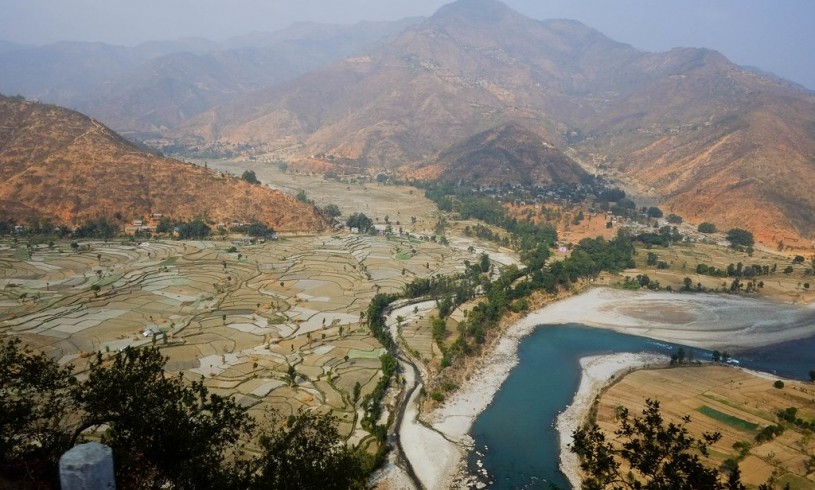
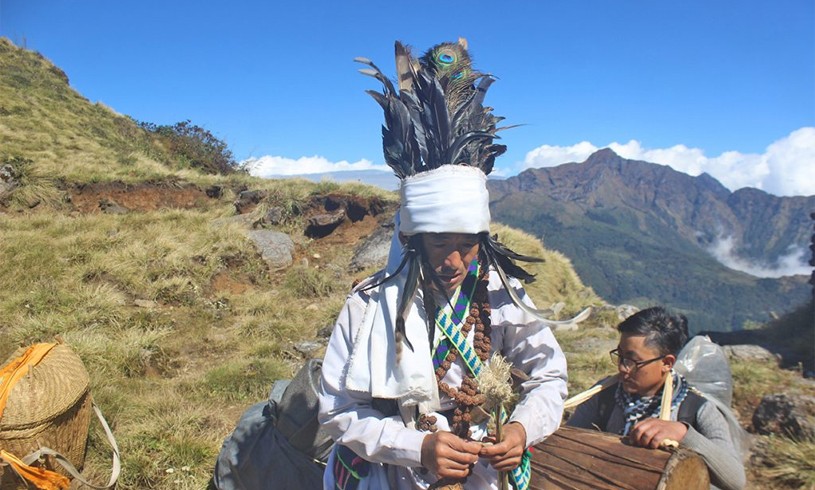
Visiting Gurung, Magar, Tamang, Tharu, and other indigenous villages allows visitors to learn about traditional lifestyles, folklore, craftsmanship, and hospitality. Authentic homestays enrich this experience.
3. Eco-Tourism in Nepal
Eco-tourism focuses on sustainability, conservation, and meaningful engagement with nature.
Wildlife Safaris
Nepal’s lowland jungles are home to incredible wildlife. Top destinations include:
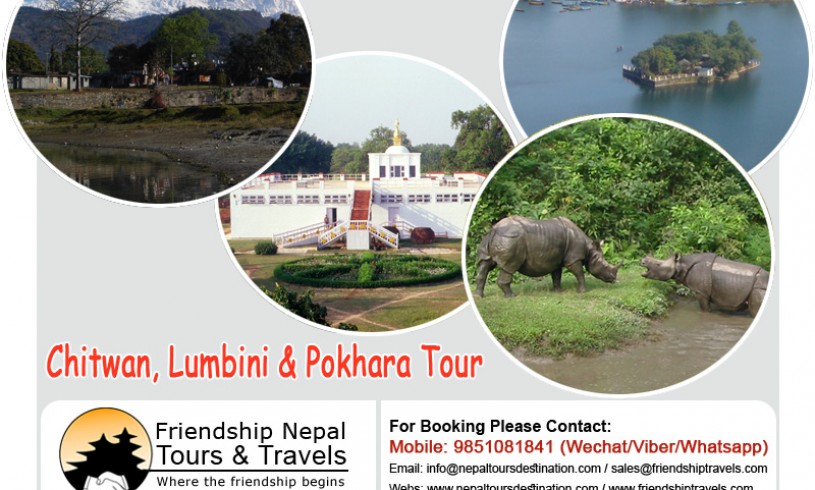
- Chitwan National Park
- Bardia National Park
Travelers can spot Bengal tigers, one-horned rhinos, wild elephants, gharials, and hundreds of bird species through guided jeep safaris, canoe rides, and nature walks.
Conservation Experiences
Visitors can participate in eco-friendly programs such as:
- Tree planting
- Wildlife monitoring
- Waste management projects
- Community conservation efforts
These initiatives support Nepal’s environmental sustainability.
4. Community Tourism & Homestays
Community-based tourism empowers rural communities while offering travelers an authentic local experience. Homestays provide insights into daily life, cultural traditions, cooking, farming, and sustainability practices.
Organizations like the Community Homestay Network help ensure responsible tourism and direct benefits to locals. Staying in a community homestay is one of Nepal’s most immersive and meaningful travel experiences.
5. Spiritual & Wellness Tourism
With its peaceful environment and deep spiritual history, Nepal is an ideal destination for personal growth, meditation, and healing.
Yoga & Meditation Retreats
Retreat centres in Pokhara, Kathmandu, and Lumbini offer:
- Meditation courses
- Yoga sessions
- Silent retreats
- Mindfulness workshops
The Himalayan scenery enhances inner peace and reflection.
Ayurveda & Wellness
Traditional Ayurvedic centres offer:
- Herbal treatments
- Massages
- Detox programs
- Wellness therapies
These rejuvenate the body and mind using centuries-old healing practices.
Pilgrimage
Major spiritual sites include:
- Lumbini – birthplace of Lord Buddha
- Pashupatinath Temple
- Sacred Buddhist monasteries in the Himalayas (Helambu, Mustang, Solukhumbu)
Pilgrimage travel offers profound cultural and spiritual experiences.
6. Rural & Agricultural Tourism
Nepal’s rural landscapes offer a peaceful escape and a chance to learn about traditional agriculture.
Farm Stays
Visitors can stay with farming families and participate in:
- Harvesting
- Milking animals
- Organic gardening
- Cooking traditional meals
Village Tours
Village tours highlight:
- Local markets
- Handicraft workshops
- Traditional houses
- Community rituals and performances
These tours provide an intimate look at rural life in Nepal.
7. Gastronomy Tourism
Nepal’s culinary heritage is diverse, flavorful, and deeply cultural.
Traditional Nepali Cuisine
Popular dishes include:
- Dal Bhat (lentils, rice, and vegetables)
- Momo (dumplings)
- Gundruk (fermented leafy greens)
- Thakali Thali
- Newari cuisine specialties
Dining at local eateries and street food stalls offers the most authentic experience.
Cooking Classes
Cooking classes teach travelers how to prepare traditional Nepali dishes using local ingredients. Many classes also discuss food culture, sustainability, and spice use.
Food Tours
In Kathmandu and Pokhara, guided food tours take visitors through street snacks, traditional restaurants, tea shops, and contemporary cafes.
8. Volunteer Tourism
Voluntourism in Nepal allows travelers to support meaningful projects while exploring the country.
Education & Childcare
Volunteers can:
- Teach English
- Support childcare programs
- Assist with extracurricular activities
Health & Sanitation
Projects include:
- Health camps
- Hygiene education
- Building sanitation facilities
Environmental Projects
Volunteers join activities such as:
- Reforestation
- Waste management campaigns
- Wildlife protection
Conclusion
Nepal offers an incredible variety of tourism experiences—from world-record mountaineering and peaceful spiritual retreats to immersive cultural tours and delicious culinary adventures. Whether you're a seasoned explorer, a family traveler, a wellness enthusiast, or someone simply seeking meaningful experiences, Nepal welcomes you with open arms, rich traditions, and breathtaking beauty.
Come discover Nepal—where every traveler finds something unforgettable.